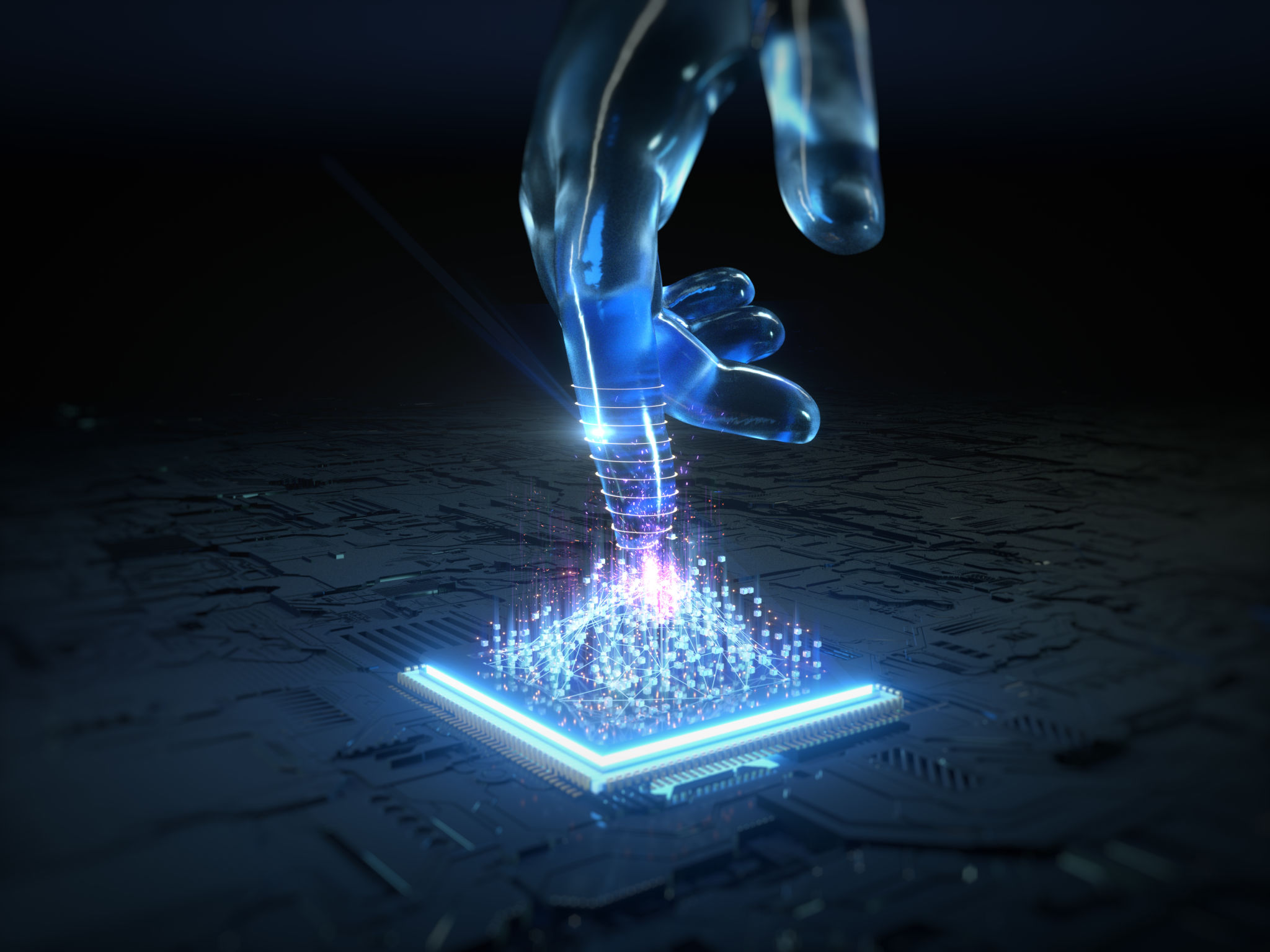
How AI Integration is Shaping the Future of Work


Introduction to AI Integration in the Workplace
The integration of Artificial Intelligence (AI) into the workplace is not just a trend but a transformative force reshaping how we work. As businesses strive to stay competitive and efficient, AI offers tools and solutions that streamline operations and enhance productivity. This technological evolution is setting the stage for a future where human and machine collaboration becomes the norm.
AI is being utilized across various industries, from healthcare to finance, providing insights and automation that were once inconceivable. Its ability to process large amounts of data quickly and accurately makes it an invaluable asset for decision-making and strategic planning.

Enhancing Productivity through Automation
One of the most significant impacts of AI in the workplace is the automation of routine tasks. By handling repetitive and time-consuming activities, AI allows employees to focus on more strategic and creative tasks. This shift not only boosts productivity but also enhances job satisfaction as workers engage in more meaningful work.
Consider industries like manufacturing, where AI-driven robots perform assembly line tasks with precision and speed. In offices, AI-powered software can automate data entry, schedule management, and customer service interactions, reducing the burden on human workers.
AI-Driven Decision Making
AI is revolutionizing decision-making processes by providing data-driven insights that guide strategic planning. Machine learning algorithms can analyze complex datasets, identifying patterns and trends that might be invisible to the human eye. This capability allows businesses to make informed decisions with greater confidence and speed.
AI's Role in Skill Development and Workforce Training
As AI continues to evolve, it is also playing a crucial role in workforce training and skill development. AI-powered platforms can offer personalized learning experiences, adapting to the individual's pace and learning style. This tailored approach ensures that employees acquire the necessary skills to thrive in an AI-integrated environment.
Additionally, AI can identify skill gaps within an organization, enabling targeted training programs that address specific needs. This proactive approach to skill development ensures that the workforce remains agile and adaptable to emerging technologies.

Challenges and Considerations
While the benefits of AI integration are substantial, it is not without challenges. Concerns about job displacement, ethical considerations, and data privacy are at the forefront of discussions surrounding AI. Companies must navigate these issues carefully, ensuring that AI is implemented responsibly and ethically.
Building a supportive infrastructure that fosters transparency and trust is essential for successful AI adoption. This includes clear communication about AI's role, its impact on jobs, and the measures being taken to protect employee data and privacy.
The Future Outlook
The future of work with AI integration is promising, with endless possibilities for innovation and improvement. As AI technologies continue to advance, they will unlock new opportunities for businesses and workers alike. From enhancing customer experiences to driving business growth, the potential applications of AI are vast and varied.
Embracing AI is not just about adopting new tools but about fostering a culture of continuous learning and adaptation. By prioritizing collaboration between humans and machines, businesses can create a dynamic and resilient workforce ready to tackle the challenges of tomorrow.