The Future of Retail: How AI is Shaping the Industry


Introduction to AI in Retail
The retail industry is undergoing a transformative change, driven by the rapid advancements in Artificial Intelligence (AI). From personalized shopping experiences to streamlined logistics, AI is reshaping how businesses interact with consumers. Retailers are leveraging AI to enhance customer satisfaction, optimize operations, and stay competitive in an ever-evolving market.

Personalized Shopping Experiences
One of the most significant impacts of AI in retail is the ability to offer personalized shopping experiences. By analyzing customer data, AI algorithms can predict consumer preferences and provide tailored recommendations. This personalization not only enhances customer satisfaction but also boosts sales by guiding shoppers towards products they are more likely to purchase.
Retailers are implementing AI-driven chatbots and virtual assistants to provide real-time support and assistance. These tools can answer queries, suggest products, and even help with the checkout process, making the shopping experience seamless and efficient.
Inventory Management and Logistics
AI is also revolutionizing inventory management and logistics. With predictive analytics, retailers can accurately forecast demand, reducing overstock and stockouts. This optimization leads to cost savings and improved efficiency. AI-powered systems can automate restocking processes, ensuring shelves are never empty and popular items are always available.
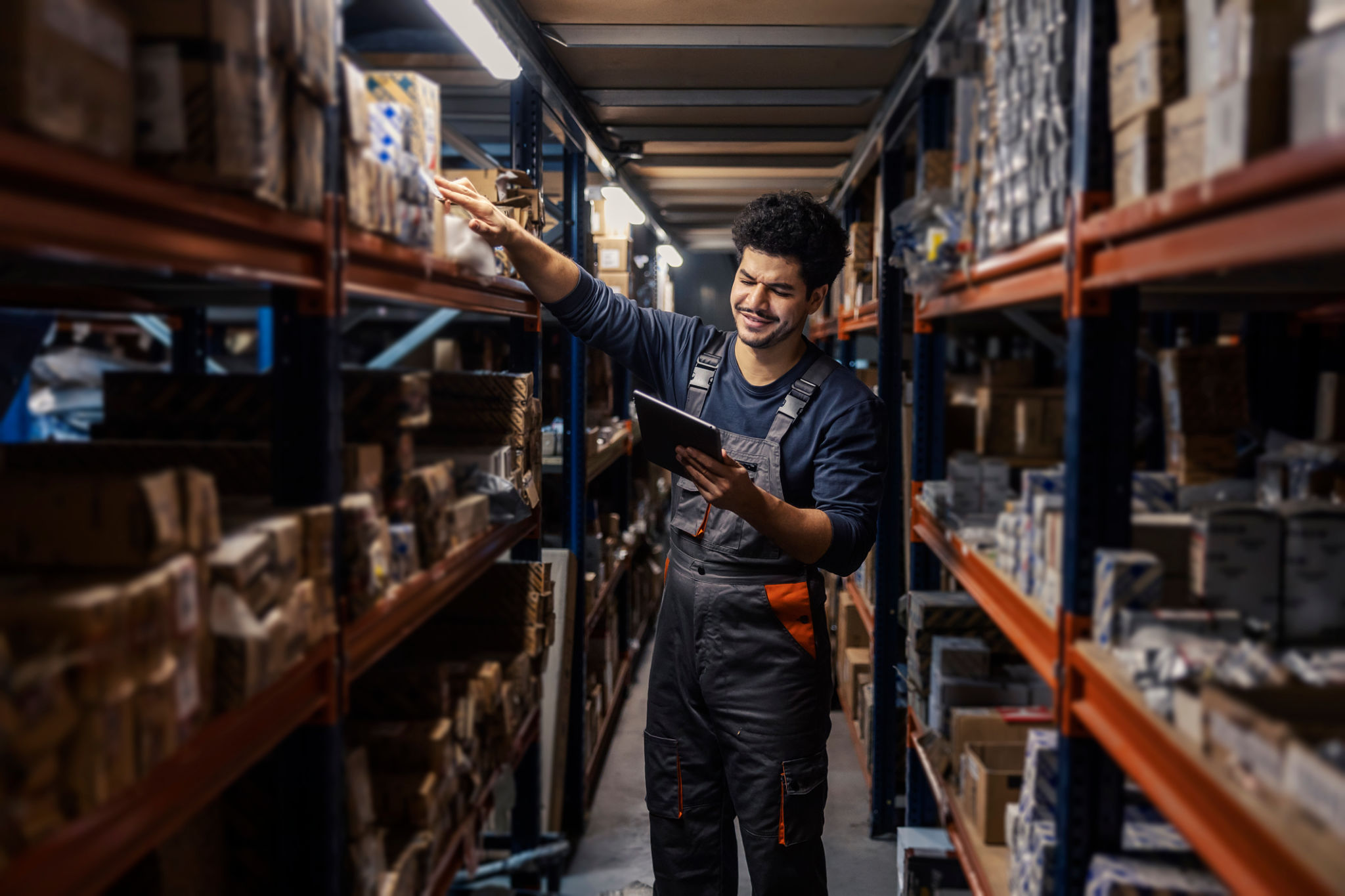
In logistics, AI helps streamline supply chain operations by optimizing routes and improving delivery times. This not only enhances customer satisfaction but also reduces operational costs, allowing retailers to focus on growth and innovation.
Enhancing In-Store Experiences
While online shopping continues to grow, physical stores remain an essential part of the retail landscape. AI is enhancing in-store experiences by offering features such as smart mirrors and interactive displays. These technologies engage customers in new ways, providing information and recommendations while they shop.
AI-driven analytics also allow retailers to understand customer behavior within stores, leading to better layout designs and product placements. By analyzing foot traffic and purchase patterns, retailers can create a more engaging and efficient shopping environment.

Challenges and Ethical Considerations
Despite the numerous benefits, the integration of AI in retail comes with challenges and ethical considerations. Data privacy is a significant concern, as retailers must ensure that customer information is collected and used responsibly. Transparency in AI algorithms is essential to build trust with consumers.
Moreover, the adoption of AI may lead to workforce changes, requiring employees to adapt to new roles and technologies. Retailers must invest in training and development to support their staff during this transition.
The Future Outlook
The future of retail with AI holds tremendous potential. As technology continues to evolve, retailers will find new ways to leverage AI to enhance customer experiences, streamline operations, and drive growth. The key to success lies in balancing innovation with ethical practices and maintaining a customer-centric approach.
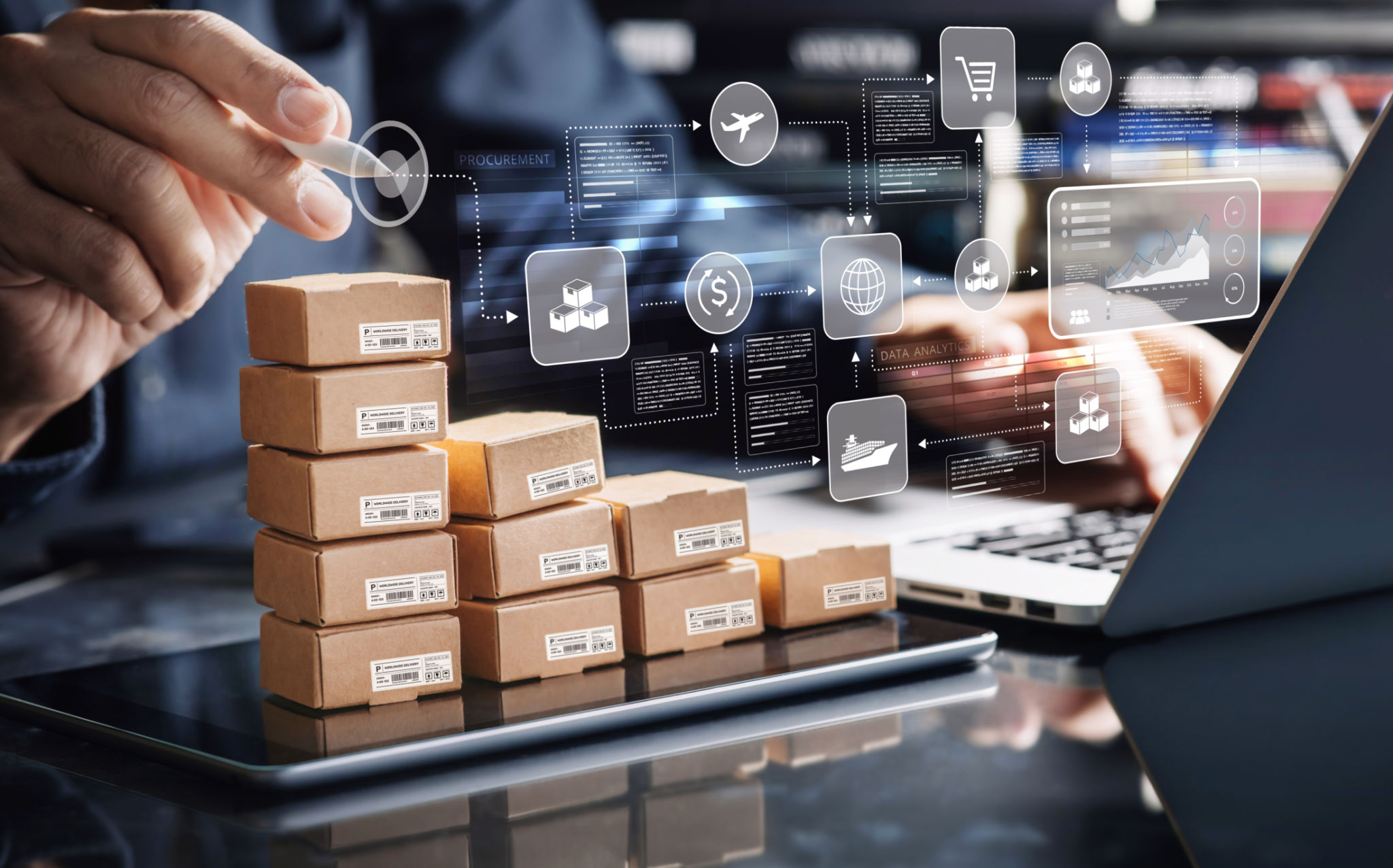
In conclusion, AI is not just a tool for efficiency; it's a catalyst for transformation in the retail industry. By embracing AI, retailers can unlock new opportunities and redefine the shopping experience for consumers worldwide.